Netanyahu’s office says Gaza’s crossing with Egypt will reopen in a ‘limited’ manner after the search for the last remaining captive’s body is over.

Israel has said it will allow a “limited reopening” of Gaza’s Rafah crossing with Egypt when the operation to locate the body of the last remaining Israeli captive in the Palestinian territory is completed.
The announcement from the Israeli Prime Minister Benjamin Netanyahu’s office came late on Sunday as Palestinians mourned at least three people killed in Israeli attacks across Gaza.
Netanyahu’s office said the Rafah crossing, which was supposed to have opened during the initial phase of a United States-brokered ceasefire in October, would reopen for the passage of people only.
It said the move is “conditioned on the return of all living [captives] and the execution of 100 percent effort on the part of Hamas to locate and return all deceased [captives]”.
All have been returned, except for the body of police officer Ran Gvili. The Israeli military said on Sunday it was searching a cemetery in northern Gaza near the “yellow line”, which marks off Israeli-controlled parts of the territory, while an Israeli military official said there were “several intelligence leads” regarding Gvili’s possible location.
- Now Playing02:38

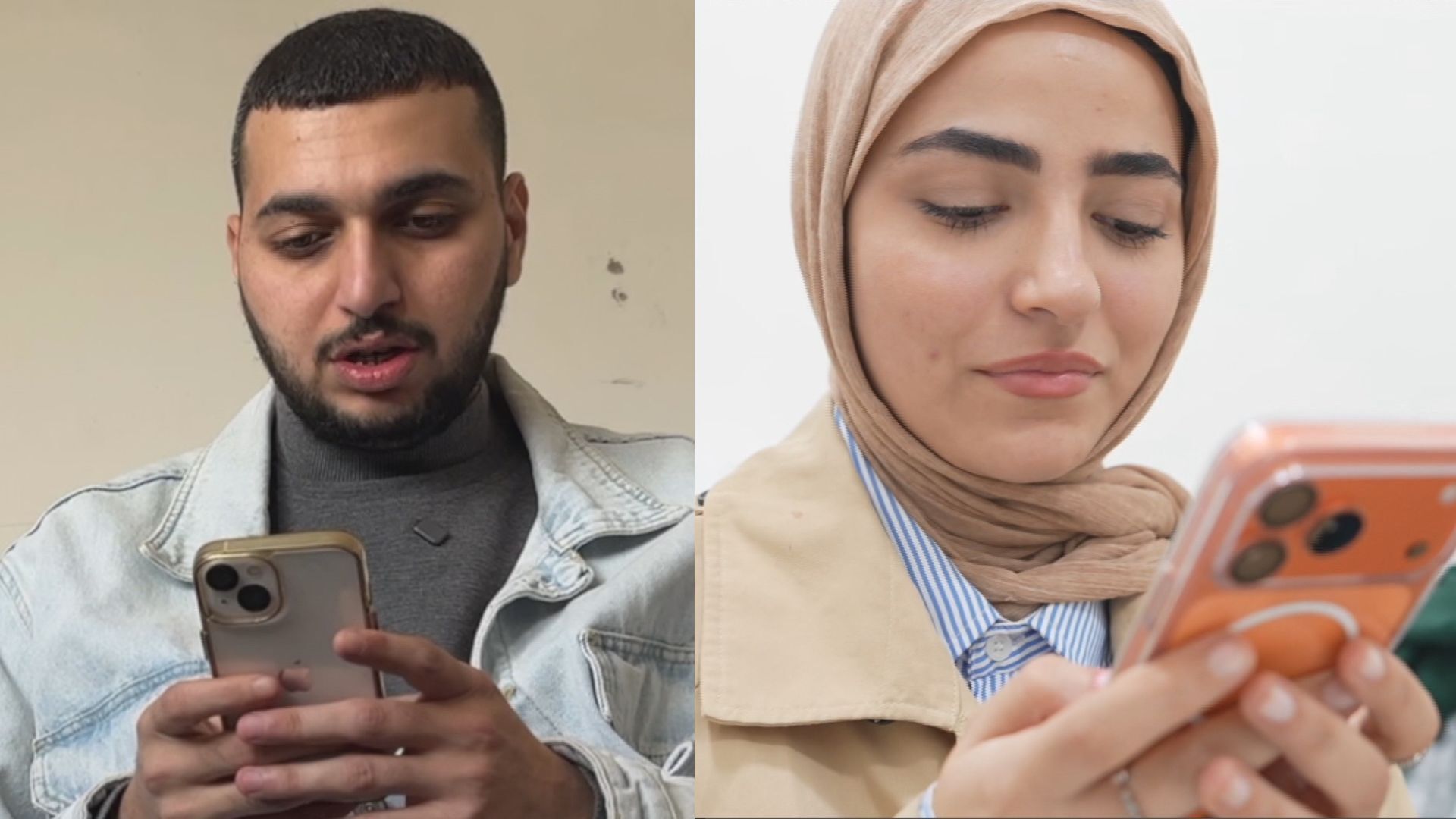
Love divided by Rafah crossing closure as Palestinian couple wait to reunite
- Next02:12
See inside the former US embassy in Tehran
- 02:00
Palestinian patients wait for reopening of the Rafah border
- 01:07
‘Mother of all deals’: India, EU broker trade agreement
- 01:58

Iran’s currency drops to record low against dollar as tensions soar
Earlier on Sunday, Hamas said it had handed over the location of the remains of the Israeli soldier with “absolute transparency”, and that it had “fulfilled all our obligations in accordance with the ceasefire agreement”.
The spokesperson for Hamas’s armed wing, the Qassam Brigades, said the group was “fully committed to closing this file permanently and have no interest in procrastination”.
“We call upon these mediators to uphold their responsibilities and compel the [Israeli] occupation to implement what has been agreed upon.”
‘Pedestrian passage only’
The Rafah crossing is effectively the sole route in or out of Gaza for nearly all of the more than 2 million Palestinians who live there.
The Gaza side of the crossing has been under Israeli military control since 2024.
The crossing was supposed to have reopened in “both directions” under the first phase of US President Donald Trump’s peace plan for Gaza, and pressure has been building on Israel and Hamas in recent weeks, with Washington declaring last week that the second phase of the truce – which calls for reconstruction of Gaza – was now under way.
But although Trump’s plan calls for a full reopening of Rafah, the statement from Netanyahu’s office on Sunday said access will be “limited”, and for “pedestrian passage only, subject to a full Israeli inspection mechanism”.
Analysts raised concerns that such a move would result in the expulsion of Palestinians from Gaza, a long-held Israeli goal.
“There are huge amounts of Palestinians in Egypt who’ve been stuck there in limbo for the past two years of Israel’s genocide. Many of them want to come back, or some want to come back, to maybe help rebuild or see their families. But what Israel wants is for huge amounts of Palestinians to leave and not come back,” said Anthony Lowenstein, author of The Palestine Laboratory, a book on the Israeli arms and surveillance industry. “I fear that if this crossing reopens and is only monitored by Israel, that is the long-term goal.”
Lowenstein also noted out that a pedestrian-only reopening of Rafah would do nothing to move the tonnes of desperately-needed humanitarian supplies stranded in Egyptian warehouses.
“Ultimately, [this can happen] only if the international community presses Israel to allow aid in,” he added.
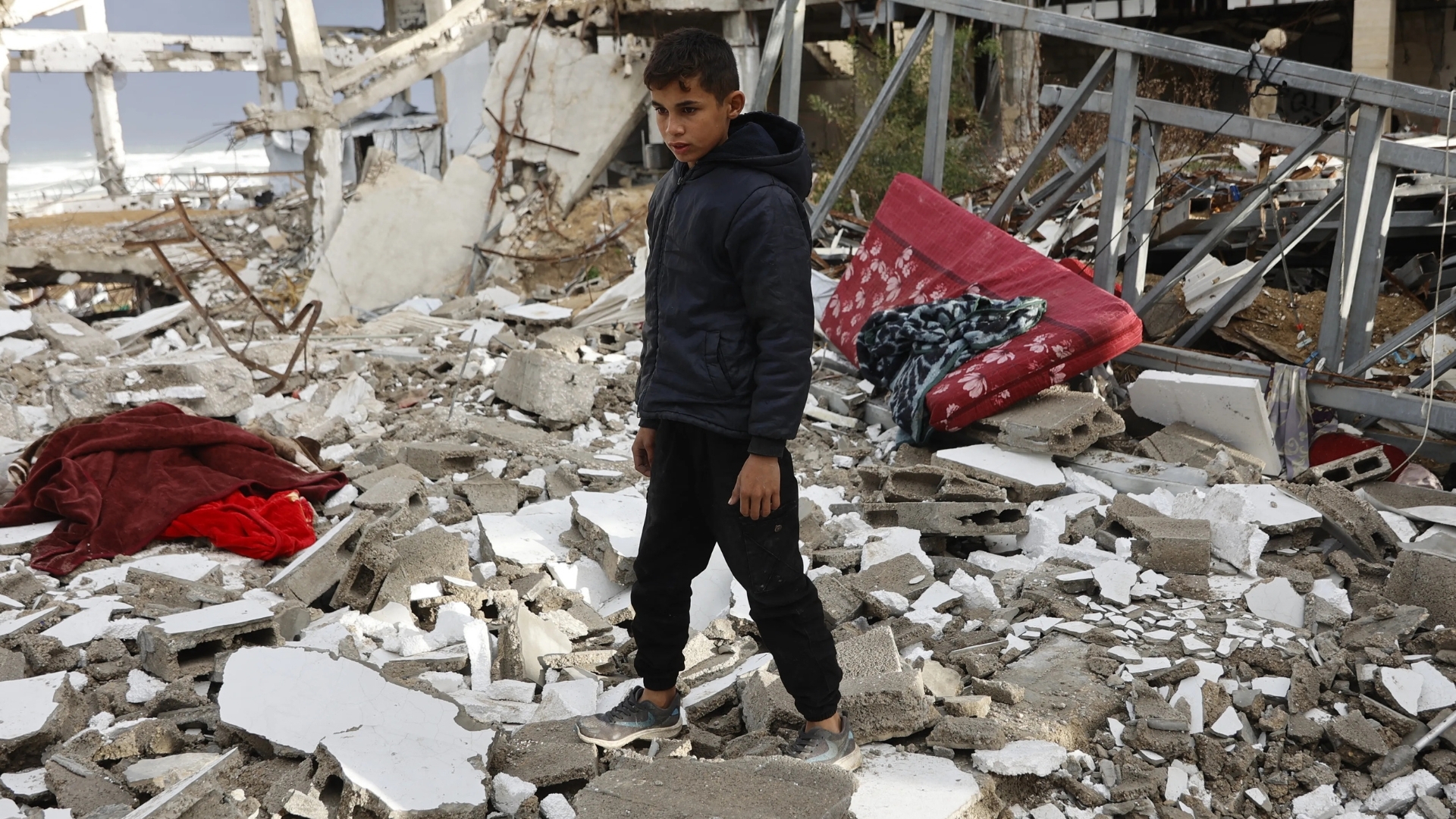
Rami Khouri, a distinguished fellow at the University of Beirut, echoed the sentiment, arguing that Israel’s announcement reflects its strategy of controlling all aspects of Palestinian life.
He contended that while Israel has agreed to Trump’s ceasefire proposal and Hamas has fulfilled its obligations—releasing captives, returning bodies, and ending attacks—Israel is not meeting its own commitments.
“So, they play around with the humanitarian aid, the access to people, even those who are dying and those who need medical treatment. They let them go out sometimes, sometimes they don’t. Water. Food. Every dimension of Palestinian life, they want to control,” Khouri said.
Israeli attacks, meanwhile, have continued across Gaza, with at least three Palestinians killed in two separate incidents on Sunday, and an Israeli drone wounding four others in Gaza City, according to health officials.
Medics said Israeli forces killed at least two people east of the Tuffah neighbourhood of northern Gaza City and a 41-year-old man in southern Khan Younis.
Altogether, Israeli attacks have killed more than 480 Palestinians in Gaza since the ceasefire began in October. Some 71,657 others were killed and 171,399 also wounded over two years of Israel’s genocidal war.